Slide 1

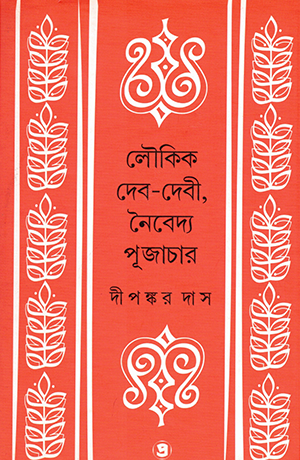
Loukik Dev Devi, Naivedya Pujachar

The book examines individual deities worshipped in specific villages as case studies.
previous arrow
next arrow
History

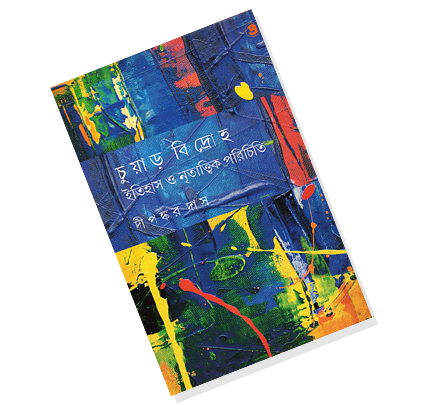
চুয়ার বিদ্রোহ ইতিহাস ও নৃতাত্ত্বিক পরিচিতি

History and Ethnological Identity of the Chuar Rebellion
The writing discusses History of Midnapore, Part-1 by Narendra Nath Das, which introduced the author to the Chuar Rebellion. Although the book is in English and largely unknown to Bengali readers, its disorganized structure disrupts the flow of events. It also lacks an analysis of the impact of British policies on local history. The author disagrees with Das’s assessment of the Chuar Rebellion and notes that no one has sufficiently defined ‘Chuar’ from an ethnological perspective. Due to limitations in resources and living in a remote area, the author couldn’t fully utilize Das’s materials. Narendra Nath Das was the author’s maternal uncle and a key figure in the Indian independence movement in Midnapore, and his work History of Midnapore, Part-11 is considered an invaluable historical document. The author is personally indebted to him. The Chuar, a Bengali-speaking indigenous group, led the first uprising against British rule, the Chuar Rebellion, which lasted nearly fifty years but ultimately failed due to inferior weapons and military strategies. Despite its failure, the rebellion contributed to a warrior tradition and inspired literature, while showcasing the vibrant culture of the tribe through their rituals, festivals, and music. The book highlights this history and culture.
Socity & Culture

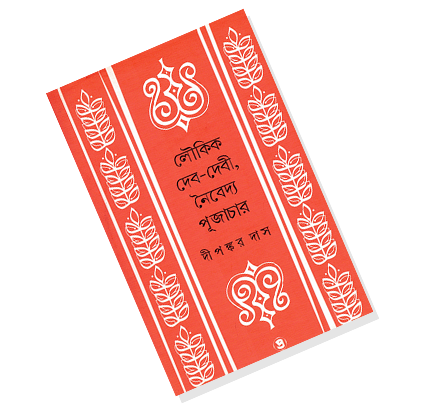
লৌকিক দেব দেবী, নৈবেদ্য পূজাচার

Rural Gods and Goddesses, Offering Rituals

A “folk society” is a cohesive community where members share beliefs and customs. Tribal societies, like the Hadi, Dom, Dule, Bagdi, Lodha-Sabar, Bhumij, Kaibarta, Khaira, Ghorei, Deshwali, and Pod, exemplify this with specific traditions, endogamous marriage, a unified occupation, and similar dietary and clothing habits.

While groups like fishermen, milkmen, and cobblers belong to cohesive folk societies, they differ in character from tribal folk societies. Castes like weavers, blacksmiths, potters, carpenters, oil pressers, merchants, and barbers follow distinct hereditary professions and customs, marking them as folk societies, though they are not as marginal as cohesive folk societies and are part of larger village communities.

History & Culture

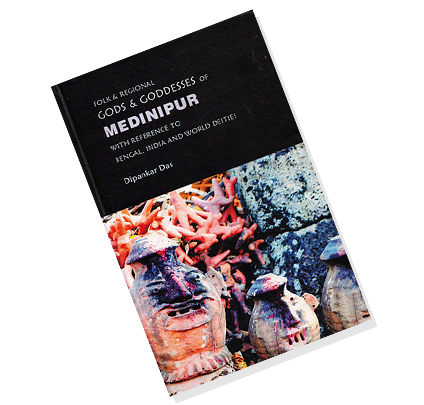
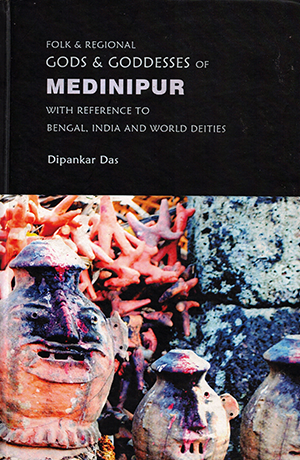
Gods & Goddesses of Midnapore

Rural Gods and Goddesses of Midnapore
Agricultural communities like Sadgop and Kaibarta farmers possess the qualities of a folk society due to their occupational unity. However, being part of a larger folk society, their cohesion is less rigid, with regional divisions. The village society can be likened to a building with many rooms—the primary inhabitants being farmers, with separate spaces for groups like weavers, blacksmiths, and potters, all living under the same roof. Tribal folk societies, however, remain marginal and do not have a place in this “building.”
Higher castes like Brahmins, Kayasthas, and Baidyas, while not part of the folk society, are influenced by folk customs as part of the village society. Some folk deities have gained special prominence through their association with these higher castes.
Philosophy

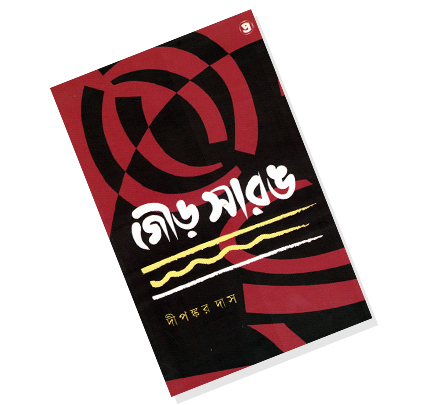
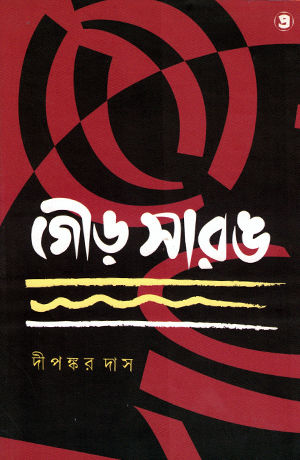
গৌড় সারঙ

Symbolizes the rich culture of Gaur Banga

Gaur Sarang is a narrow raga created by blending two ragas, Gaur and Sarang. In musical terminology, a combination of more than two ragas is termed a Mishra Raga. The thaat of Gaur Sarang is Kalyan: Sa-Ga-Re-Ma-Pa-Dha-Pa-Ni-Dha-Sa-Ma, with a sharp Madhyam note. However, this book does not focus on the technicalities of raga music.

The term Sarang or Saranga has various meanings, including a musical instrument, conch shell, bow, gem, and more. In this book, Gaur Sarang symbolizes the rich culture of Gaur Banga, resonating in Bengal’s rural and cultural settings, from fields and shrines to forges and looms. The book explores this resonance through diverse forms of folk art.
Fiction

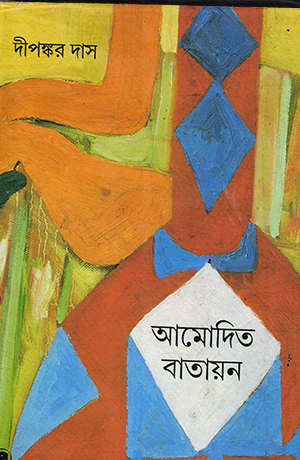
আমোদিত বাতায়ন

Delighted window: This reflection is rooted in the folk
The fragrance of Nandan Kanan pierces through the nostrils, stirring the brain and making it perceptive. The treasures of life, gathered with both hands, seem to blossom into an aesthetic consciousness called manan (reflection). This reflection is rooted in the folk, social, and individual realms. It is rich with flavors, where the food for the mind is cooked. This richness itself is Nandan Kanan—radiating through its form, essence, touch, and fragrance, illuminating countless windows.

Children’s Story

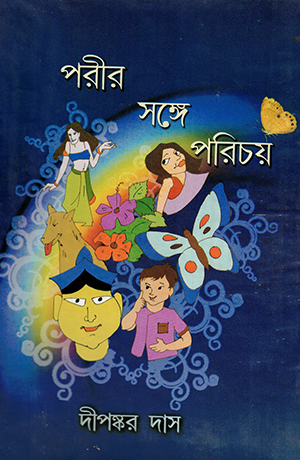
পরীর সঙ্গে পরিচয়

These stories are crafted to entertain children
Welcome to the magical world of Porir Songe Porichoy (Acquaintance with the Fairy), a delightful collection of eight enchanting stories for children. Each tale is a gateway to a land where imagination knows no bounds—where fairies, talking animals, magical forests, and brave young adventurers come alive.
These stories are crafted to entertain, inspire, and teach valuable lessons about kindness, courage, and the beauty of wonder. Perfect for bedtime reading or a quiet afternoon, this book invites young readers to embark on journeys filled with joy, excitement, and a touch of fairy dust.
Scroll to Top